When Italians say "grappa", they think of Bassano. Here, at the head of the Alpini Bridge, Italy's oldest distillery was born; here three different, exalted readings of the same art have their home: the historic industry of Nardini, the culture and museum of Poli, the extreme craftsmanship of Capovilla.
Three names, three ways of understanding the spirit — from a people's tradition to a collector's distillate. This page gathers them, with their locations and visits.
In 1779 Bortolo Nardini opened his grapperia beside the Old Bridge, Palladio's bridge: it is Italy's oldest distillery and the first to make grappa on an industrial scale. In 1860 a grandson of the founder introduced steam distillation, beginning modern grappa — constant quality in every litre.
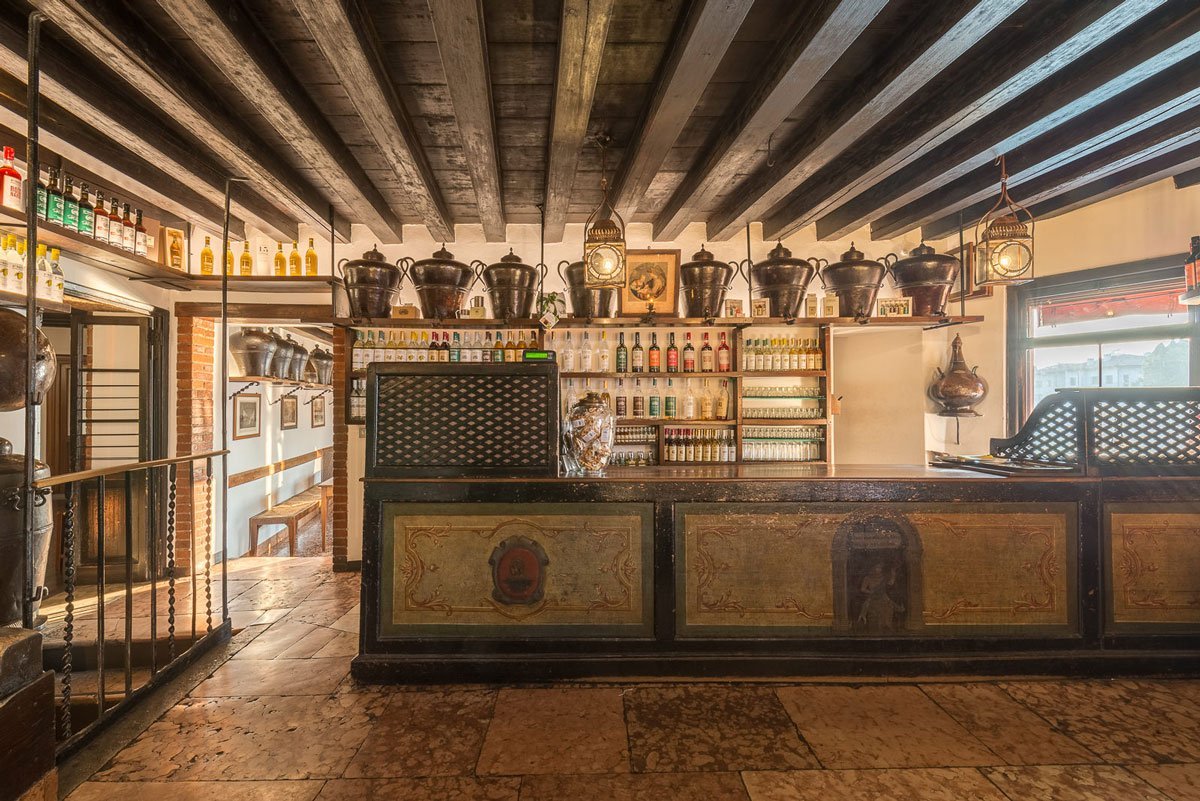
The Grapperia at the Bridge is the living room of Bassano: marble, mirrors, and the ritual of the "mezzo e mezzo". The plant and historic headquarters remain in town.
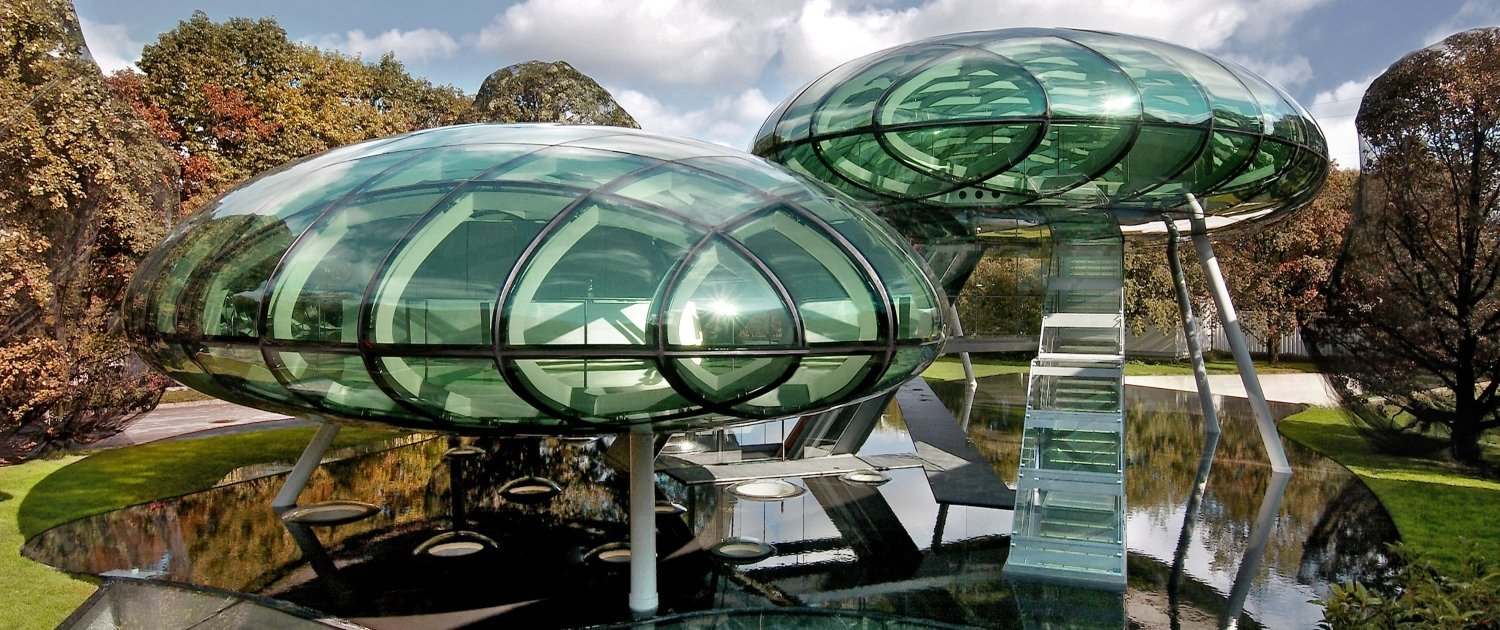
For its 225th anniversary, in 2004, architect Massimiliano Fuksas designed "Le Bolle": two glass spheres suspended on a single steel structure, an auditorium and research centre at the distillery on Via Madonna di Monte Berico 7, Bassano. They have become an icon of contemporary architecture, in the same "impossible" spirit as the wooden bridge.
Guided visits to the distillery and the Bolle can be booked online (generally Tuesday to Saturday).
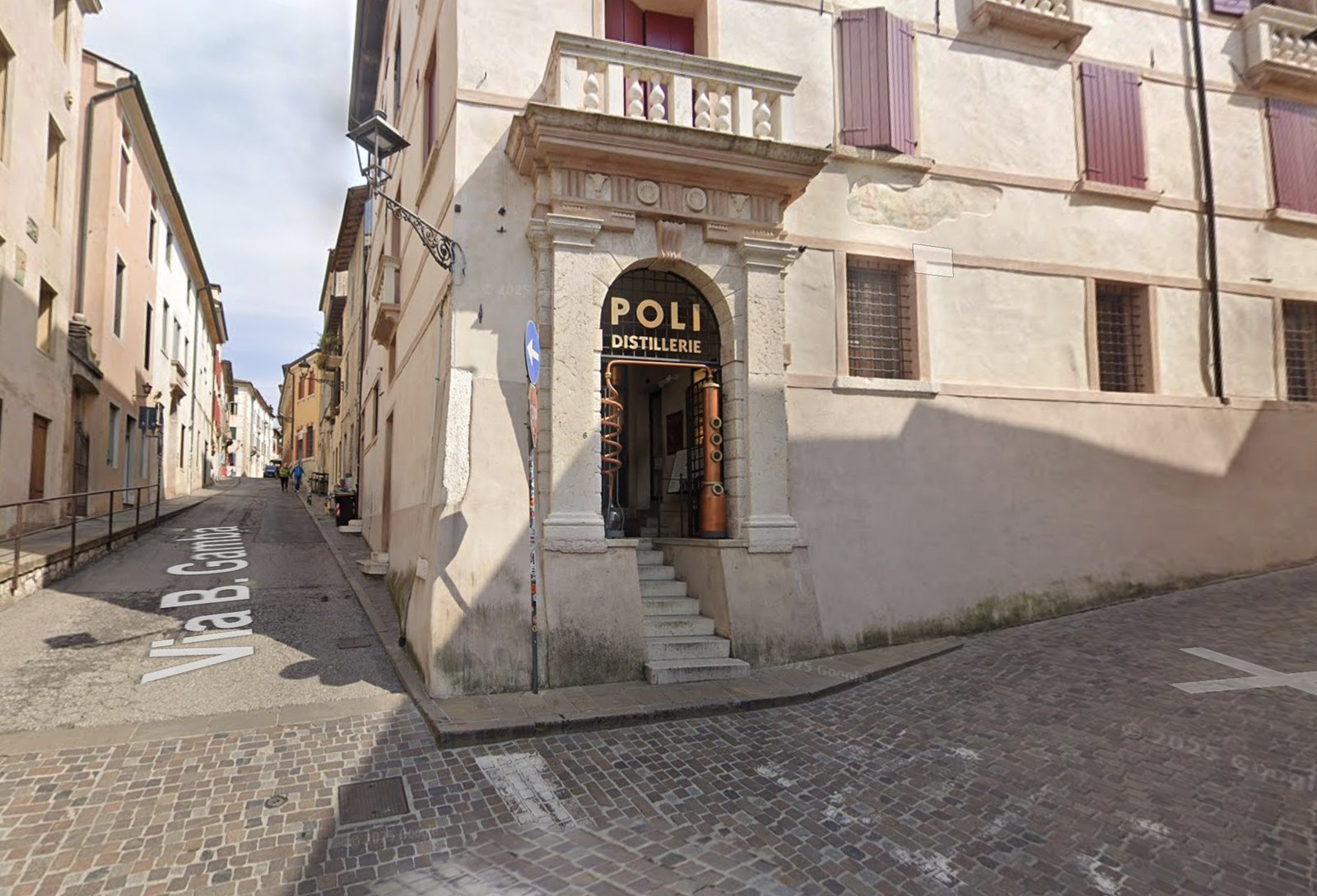
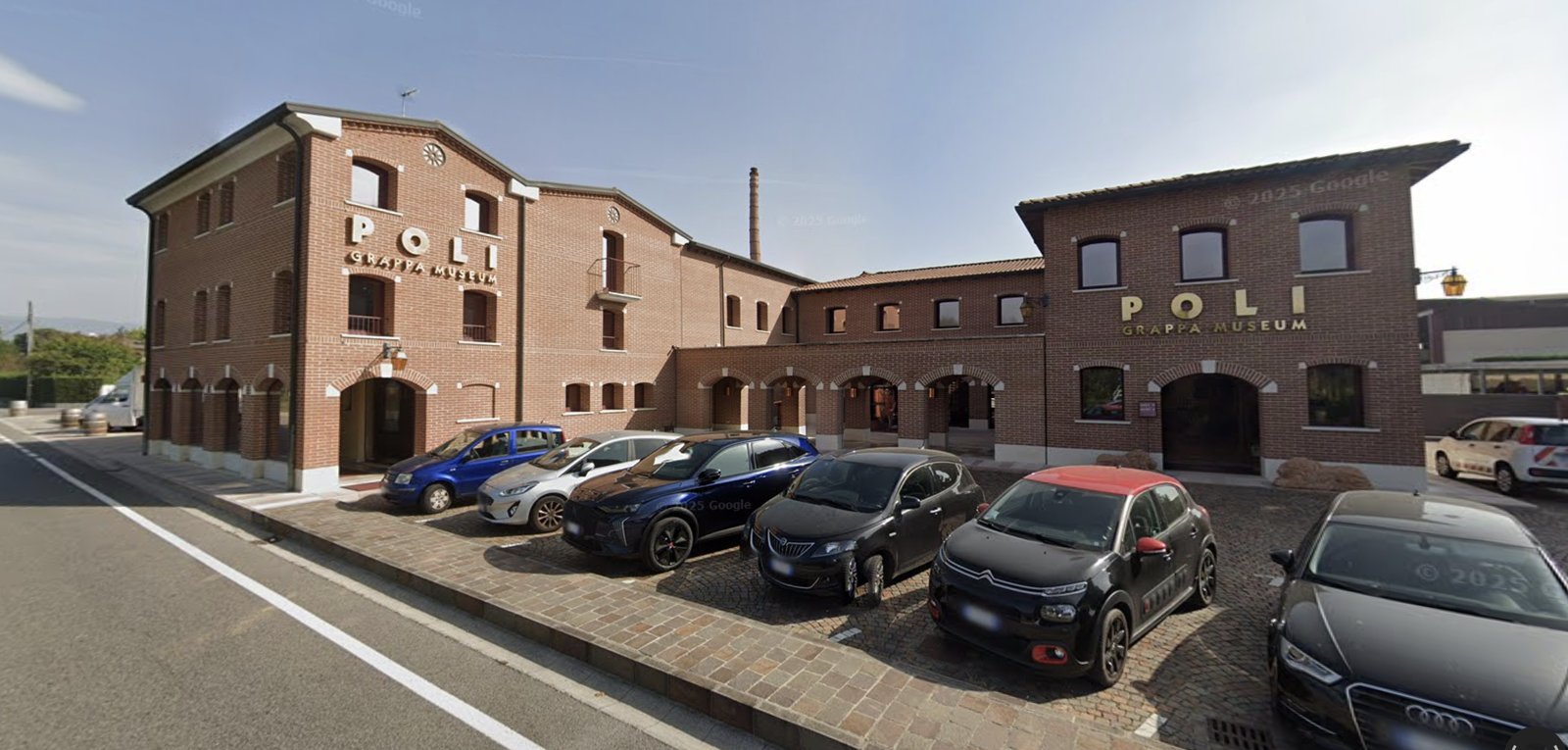
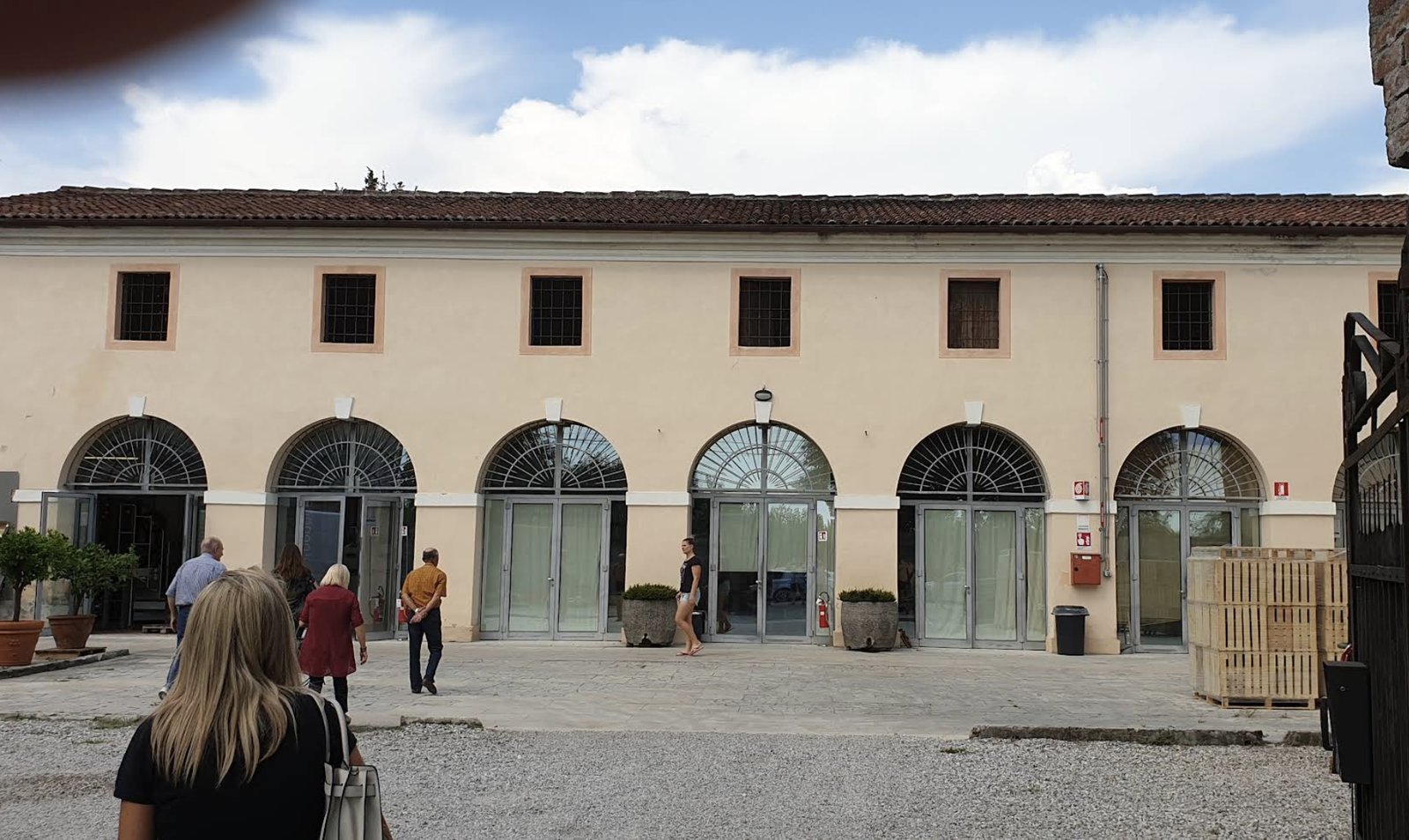
The Poli family has distilled at Schiavon, near Bassano, since 1898 (founder GioBatta Poli). Beyond its grappas, it has made education its hallmark with the Poli Grappa Museum, the reference museum on Italian spirits, free to enter in two locations:
Historic stills, scents, tools and documents tell the story and technique of distillation. The right stop to understand what sets grappa apart from other spirits — and for a tasting.
Beyond grappa, Poli produces internationally awarded distillates and liqueurs, including an acclaimed Italian whisky: a Veneto family flying the flag for Italian craftsmanship.
In Rosà, at the foot of the Vicenza Pre-Alps, Vittorio Capovilla is considered one of the world's greatest fruit distillers. His first grappa dates to 1975; in 1988 the distillery proper was born, the fruit of a passion matured during travels in Germany.
Capovilla has made distillation an art and the search for the best raw material his life's purpose: over 60 kinds of distillate — from grapes, cultivated fruit, wild and rare fruits, aged eaux-de-vie and grappas — for about 40,000 bottles a year, with four hectares of organic farming and water flowing down from Monte Grappa.
The base is in the evocative cellars of Villa Dolfin Boldù, minutes from Bassano: pure, uncompromising collector's distillates.

The Bassano way is simple: an ombra (a small glass) of grappa at the Nardini counter on the bridge, perhaps a "mezzo e mezzo" (red and white) as an aperitif. To understand what you are drinking, visit the Poli Grappa Museum (free entry). For enthusiasts, a Capovilla bottle is a collector's souvenir.
Remember grappa is a high-strength spirit: taste in moderation and don't drive after. See the visitor's guide →